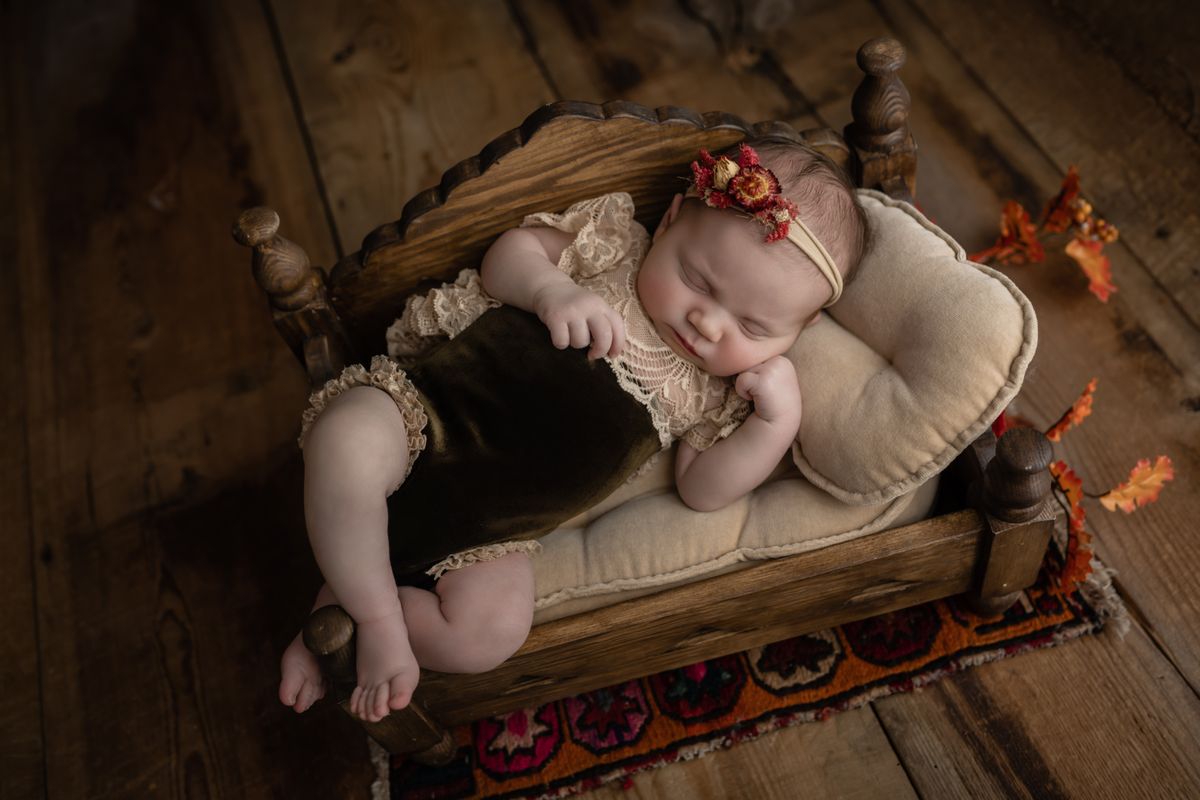
A friend once confessed she’d been rocking her five-month-old for forty-five minutes every bedtime. Arms shaking. Back screaming. Baby’s eyes popping open every time she even thought about putting him down.
“He needs me,” she said, dead-eyed, bouncing slightly even though the baby was in the next room.
Babe. He doesn’t need you. He’s addicted to you. There’s a difference.
The Sleep Crutch You Built Without Realizing
Here’s what happened: sometime in the newborn haze, you discovered that rocking works. Baby cries, you rock, baby sleeps. Beautiful. Problem solved. Except now your baby has exactly one tool for falling asleep, and it’s your exhausted biceps.
They didn’t develop a preference. You accidentally trained them. Every time you rocked until their eyes closed, you taught them: “This is how sleep works. Someone holds me and sways. If that stops, something is wrong.”
So when they wake at 2 a.m. (which all humans do between sleep cycles), they can’t get back to sleep without you recreating those exact conditions. They’re not being needy. They literally don’t know another way.
Self-Soothing Isn’t Cruel. It’s a Skill.
You know what else babies can’t do at first? Hold their head up. Roll over. Grab a toy. We don’t do those things FOR them forever because they can’t do them yet. We give them opportunities to practice until they can.
Sleep is the same. Self-soothing is a developmental skill. Your baby is capable of learning it. But they won’t learn if you never give them the chance to try.
That doesn’t mean throw them in the crib and leave the country. It means put them down in bed, give them space, and let them figure out that their thumb exists, that turning their head is soothing, that the world doesn’t end when mom’s arms aren’t there.
The Self-Soothing Timer
The trick isn’t ignoring your baby forever. It’s giving them a window to work it out. Set a timer (a predetermined amount of time you commit to waiting before going in). Start small if you need to. But commit to waiting that full timer before you intervene.
What you’ll find (and what shocked me the first time) is that most of the fussing resolves itself. Not instantly. Not silently. But faster than you’d think. Babies are noisy self-soothers. Grunting, whimpering, shifting around. That’s not distress. That’s them figuring it out.
Distress sounds different. You know the difference. Trust yourself.
Your Arms Deserve a Retirement Plan
My friend finally stopped the rocking marathon at six months. Day one was rough. Day three was better. By day seven, her son was putting himself to sleep in under ten minutes with zero intervention.
She called me crying. “He doesn’t need me anymore.”
I said: “He still needs you. For everything else. He just doesn’t need you to be a human cradle.”
Mom Awakened covers exactly how to introduce the self-soothing timer, what counts as fussing vs. crying, and how to wean off sleep crutches without losing your mind. Coming soon.
Clara Harper retired her rocking chair at twelve weeks and has never looked back. Both kids learned to self-soothe before they could roll. She wrote Mom Interrupted while they napped (independently, in their cribs, like champions). Find the unfiltered stuff on TikTok.
For the toddler who has big feelings about doing things alone, Anger Is My Monster gives them a way to name and tame the frustration instead of melting down.






Leave a Reply