
When we think about loneliness, we picture adults — the working mom who never has time for friends, or the grandparent living far from family. But here’s the truth: kids are feeling lonelier than ever, and in 2025, childhood loneliness is one of the most important parenting conversations we need to be having.
Why Kids Are Struggling with Loneliness
1. Social Media Pressure
Even elementary kids are aware of social feeds, group chats, and the idea of being “left out.” When your child sees pictures of classmates at a party they weren’t invited to, the sting is real — and it lasts.
2. Less Unstructured Play
Remember when kids played outside until the streetlights came on? Structured activities have replaced spontaneous play, and while soccer practice is great, it doesn’t always fill the need for casual connection.
3. Post-Pandemic Ripples
COVID may feel like “old news” to adults, but for kids, those years of isolation were formative. Many missed early milestones in social learning, and some are still catching up.
4. Family Busyness
Working parents are stretched thin, and family time can get lost in the shuffle. When connection at home is scarce, kids feel it more deeply than we realize.
How to Spot Loneliness in Kids
- They say things like “Nobody likes me” or “I don’t have any friends.”
- They withdraw from activities they used to enjoy.
- They act out for attention — even negative attention feels better than none.
- They cling more tightly to parents or siblings.
What Parents Can Do
1. Validate Their Feelings
The worst thing you can say is “That’s silly, of course you have friends.” Instead, try: “I can see that feels really hard. Tell me more.”
2. Create Connection Opportunities
Playdates don’t have to be elaborate. Sometimes inviting one kid over to color or build Legos is enough to help a child feel seen.
3. Model Friendship
Kids watch how you connect. When they see you call a friend, invite someone over, or nurture your own relationships, they learn what friendship looks like.
4. Use Stories as a Bridge
Books are a powerful way to show kids they aren’t alone in feeling invisible. When they see a character struggling with loneliness, it opens the door for conversation.
Clara Harper’s Take
Loneliness isn’t just an adult problem — it’s showing up in younger and younger kids. And it doesn’t always look like sadness. Sometimes it looks like anger, silliness, or even shutting down.
That’s why I’m working on a new children’s book about loneliness and feeling invisible. Because sometimes, the first step in helping kids is giving them language for what they’re experiencing.
The Bottom Line
Childhood loneliness is real, but it doesn’t mean your child is destined to struggle forever. With attention, empathy, and small steps toward connection, kids can learn to recognize loneliness — and move through it with resilience.
Want More?
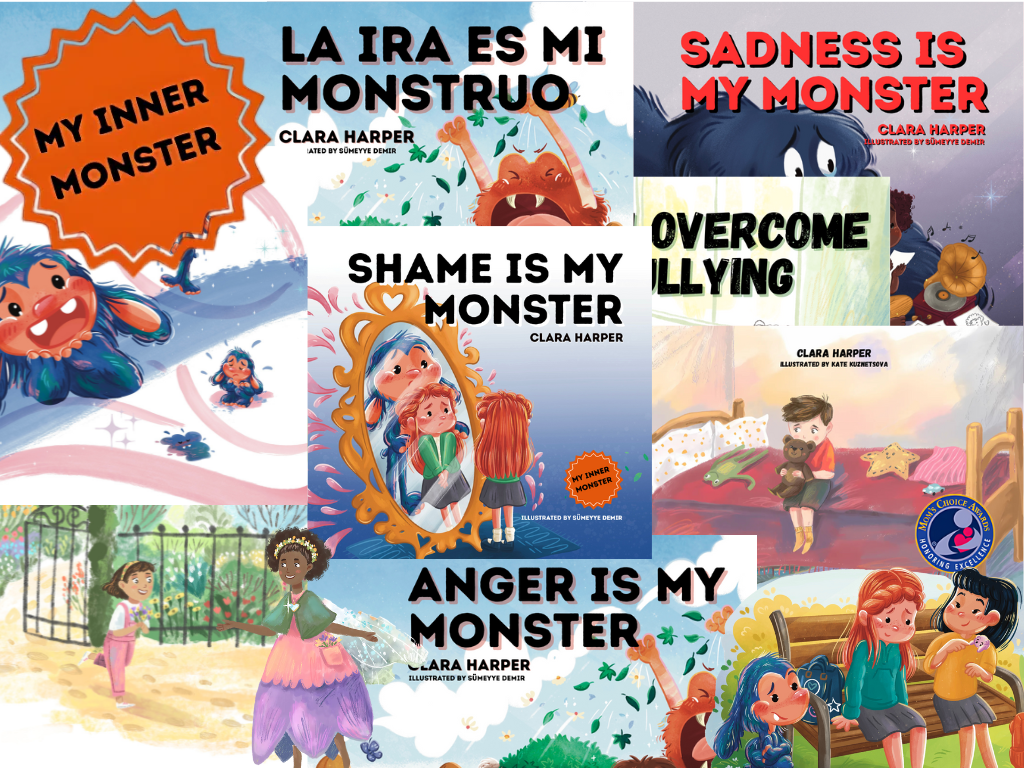
Explore my My Inner Monster series — books that turn big feelings like anger, shame, and sadness into stories kids understand. Coming soon: a brand-new story about loneliness, written to help kids feel seen and supported.
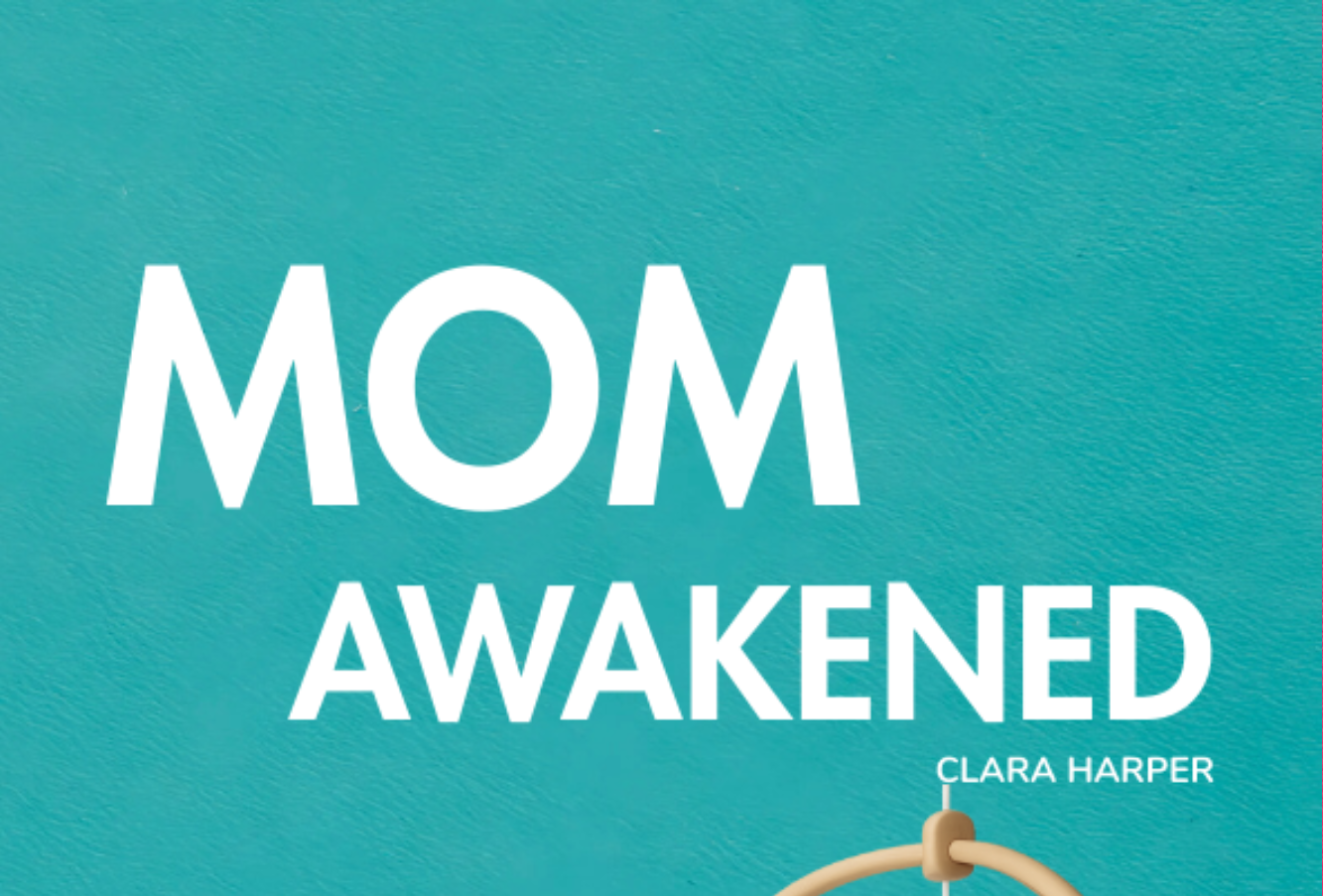
And for parents? My Mom Interrupted workbook and upcoming sleep training book Mom Awakened are here to help you laugh through the chaos, because a burned-out parent can’t pour from an empty cup.
👉 Explore all my books at ClaraHarperBooks.com
👉 Follow me on TikTok for parenting humor, relatable mom content, and behind-the-scenes of my writing.




Leave a Reply